How to Choose a Digital Marketing Agency You Can Hold Accountable
Before you pay any agency, learn what to ask, which warning signs to watch for, and how to put goals, reports and account ownership in writing so every rupee is accountable.
Picture a clinic owner in Rajahmundry who pays an agency every month. Every month a report arrives full of reach, impressions and likes, yet the receptionist says the phone rings about the same as before. When the owner asks what the money actually did, the answers are vague. Switching feels risky too, because the agency set up the ad account and the business page in its own name.
Most of this pain is decided before any work begins, in the first few meetings and in what gets written down. This guide gives you the questions to ask, the red flags to watch for, and a simple way to fix goals and reports before you sign anything.
Know what you want before the first meeting
Agencies are naturally good at selling what they do best. If you walk in without a clear goal, you may end up with a beautiful Instagram feed when what you really needed was more walk-ins on weekdays. Spend one evening writing down what a good result looks like for your business, in your own words.
Be specific. A restaurant may want more weekday dinner orders, a school may want admission enquiries before the academic year begins, and a real estate firm may want site visits booked, not just phone calls. Also decide how much you can spend each month for at least three months without strain.
- One main goal, such as calls, WhatsApp enquiries, store visits or online orders, not five goals at once.
- Your area: the towns, localities or pin codes your customers actually come from.
- Your monthly budget, split into agency fee and ad spend, because they are two separate things.
- Who handles the leads, because no agency can fix enquiries that nobody in your team replies to.
Questions to ask every agency you meet
Meet at least two or three agencies and ask each one the same questions. Comparing the answers side by side quickly shows you who understands your business and who is reading from a script.
Also ask what they would not do for you. An honest agency will tell you when a channel is wrong for your business, for example that a busy reels plan will help a wholesale supplier far less than a clean website and an accurate Google Business Profile.
- Who will actually work on my account? Ask to meet those people, not only the salesperson.
- Have you worked with businesses like mine, in a market like mine? Ask what worked, what did not, and whether you can speak to one of those business owners.
- What will you do in the first month? A good answer is concrete: tracking setup, landing page fixes, first campaigns and review dates.
- How will we know it is working? Listen for enquiries and cost per enquiry, not only followers.
- What do you need from me? Photos, offers, quick approvals and fast replies to leads. Good agencies say this upfront.
- What happens if we stop working together? The answer tells you a lot about how they treat ownership.
Red flags that should make you pause
Some warning signs show up early if you know where to look. None of them alone proves an agency is bad, but two or three together should make you slow down and ask harder questions.
- Guaranteed results, such as a promised number of leads or a top spot on Google. Nobody controls the platforms or your market well enough to promise that.
- Accounts created in the agency's name. Your ad accounts, pages, website and domain should belong to your business.
- Vague pricing, where you cannot tell how much is the agency fee and how much actually goes into ads.
- Sample reports full of reach and likes but nothing about enquiries, calls or sales.
- Long lock-in contracts with heavy exit penalties, signed before you have seen a single month of work.
- No questions about your business. If they pitch packages before asking about your customers, margins and area, they are selling, not solving.
Set goals you can measure, using your own numbers
A goal like 'increase brand awareness' is hard to argue with and even harder to check. Turn it into something you can count. Start with what one new customer is worth to you. A clinic can estimate this from how many times a patient usually visits and what each visit earns. Do the same for a school admission, a flat sale or a regular restaurant customer.
Next, look at your own records. Out of every ten enquiries you get today, how many become paying customers? If, for example, three out of ten convert, and you know the most you would happily spend to win one customer, then one enquiry is worth roughly three-tenths of that amount. That gives you a ceiling for cost per enquiry. Share it with the agency so both sides know where the line is.
Agree on a realistic timeline as well. The first month often goes into setup and testing, so judge on the trend over two or three months, while still checking early that the basics are moving in the right direction.
Agree on reports and access before you sign
Decide now what the monthly report will contain, so it cannot slowly turn into a pretty document of vanity numbers. Ask for one page you can read in five minutes, followed by a short call where someone explains it in plain language.
On your side, keep a simple record of which leads actually became customers. A shared sheet, or even a notebook at the counter, is enough. Without it, the agency can only report enquiries, and nobody knows which campaigns brought real business.
- Money spent on ads during the month, shown separately from the agency fee.
- Leads received: calls, WhatsApp messages, form fills or bookings, and where each one came from.
- Cost per lead, compared with the ceiling you worked out earlier.
- What was tried, what worked and what will change next month.
- Admin access for you to the ad accounts, analytics, website, domain and Google Business Profile from day one.
Start with a defined first phase and review it honestly
Instead of a long contract, ask for a defined first phase, for example three months, with the scope, monthly fee, ad budget and notice period in writing. List the deliverables too: which campaigns, how many posts or landing pages, and how quickly the team will respond on WhatsApp or email.
At the end of that phase, sit down with the reports and your own customer records. Did enquiries grow? Did the cost per enquiry come close to your ceiling? Did the agency explain problems openly and suggest fixes? If yes, extend with confidence. If not, you still own your accounts and data, so you can move on without starting from zero.
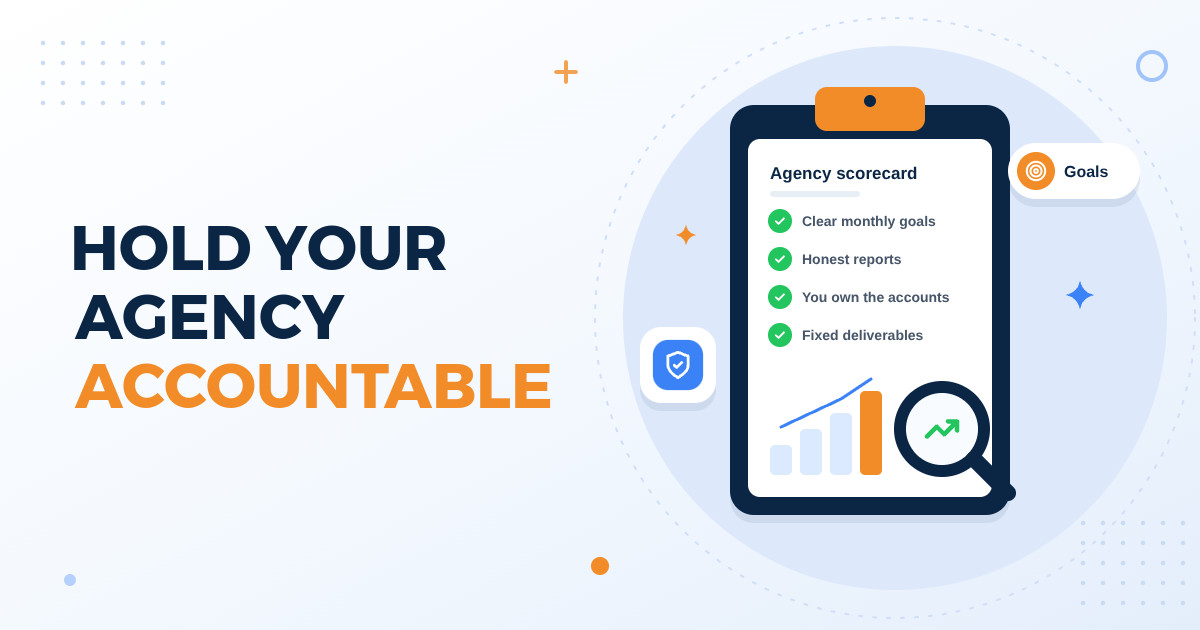
The right agency is less about the slickest presentation and more about clear goals, honest answers, shared numbers and business assets that stay in your name. When those are agreed before you sign, even a modest monthly budget can be judged fairly and improved month after month.
If you would like a second opinion on an agency proposal, or want to talk through your marketing goals with a small, senior team that also builds websites and automation, Knight21 would be happy to have that conversation. You can reach us at knight21.in/contact. Your success is our mission.